

Online Gland Leak Sealing of a 3-Inch Angle Seat Piston Valve
A gland leak on a valve operating in a high-pressure steam system is more than a maintenance issue. Apart from the continuous loss of steam and energy, an uncontrolled leak can create a serious personnel-safety concern and may progressively affect the surrounding valve components.
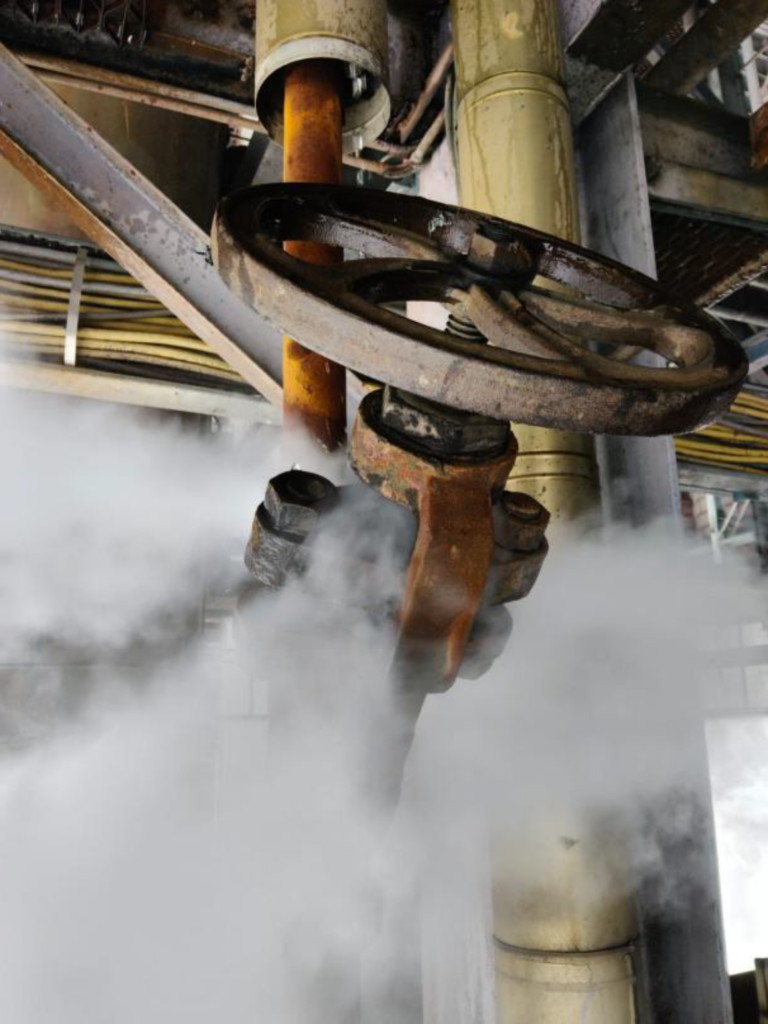
At a major power plant in India, a severe steam leak developed from the gland area of a 3-inch Angle Seat Piston Valve. The leakage was traced to the gland packing around the valve stem.
The valve was part of an operating system and immediate isolation or shutdown was not considered feasible. The plant therefore required a repair method that could control the leakage while the valve remained in service.
Nicco Engineering Services Limited carried out an engineered Online Leak Sealing (OLS) intervention to arrest the leak without interrupting plant operation.
Operating Conditions
Equipment: Angle Seat Piston Valve
Nominal Size: 3 inch
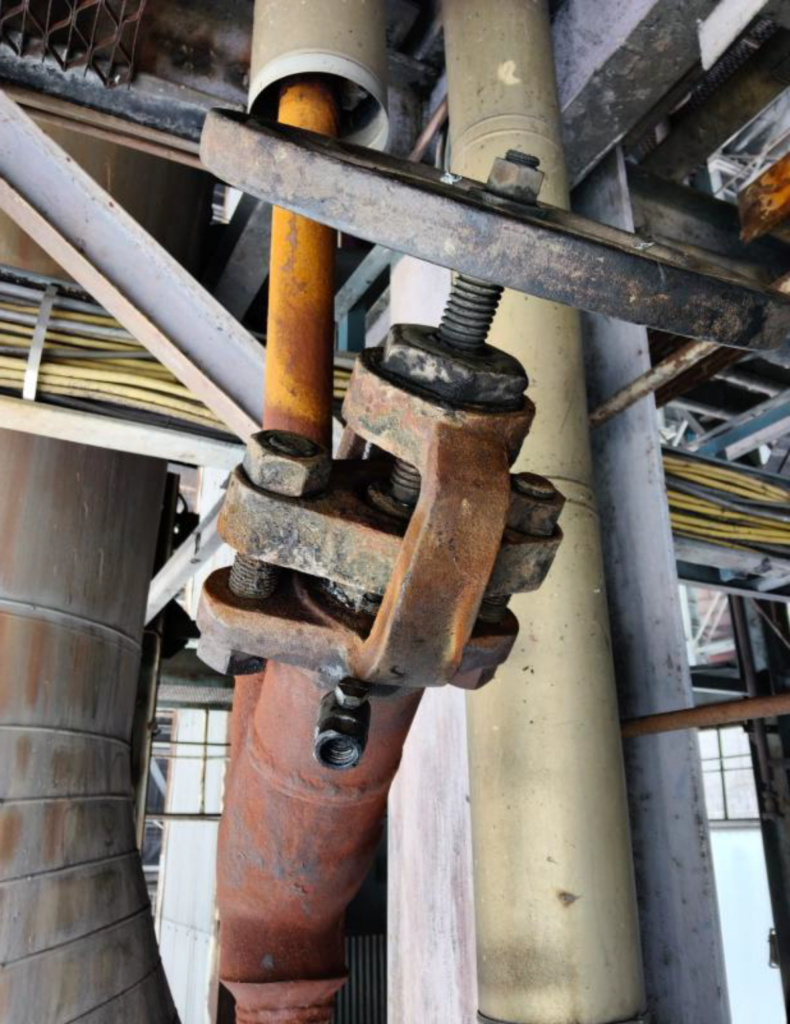
Leak Location: Valve gland / gland packing area
Process Medium: Steam
Operating Pressure: 195 kg/cm²
Operating Temperature: 100°C
•Existing Packing: Metallic gland packing
Leak Sealing Compound: NES Compound 7A
The Engineering Challenge
Gland leaks present a different sealing challenge from conventional flange or pipe-joint leaks.
The leakage path exists around a moving valve stem, and any sealing intervention has to control the escaping process medium without damaging the stem, restricting its movement, or placing uncontrolled loads on the gland assembly.
In this case, the challenge was intensified by the high operating pressure.
The repair therefore had to address several factors simultaneously:
containment of the escaping steam;
retention of the sealing material within the gland region;
controlled introduction of compound into the leak path;
protection of the valve stem and gland assembly; and
safe execution while the system remained pressurised and operational.
The Online Leak Sealing Approach
Before beginning the sealing operation, the gland arrangement and accessible sealing geometry were assessed by the service engineering team.
The existing metallic gland packing formed an important part of the sealing arrangement and provided the necessary mechanical resistance within the gland region.
A suitable injection arrangement was then established around the gland.
NES Compound 7A was introduced through a single injection point under carefully controlled injection pressure.
Rather than simply forcing compound into the gland, the injection was progressively controlled so that the material could migrate into the available leakage path and establish an effective seal around the stem.
As the compound occupied the leak path, the escaping steam was progressively reduced until the gland leakage was arrested.
The work was completed online, without shutting down the operating system.
Result
The intervention successfully restored containment at the valve gland.
Following completion:
the steam leakage was arrested;
the valve remained in continuous service;
an unplanned plant shutdown was avoided;
steam and associated energy losses were stopped;
the immediate personnel-exposure risk around the leaking valve was substantially reduced; and
the valve could remain operational until a permanent inspection and maintenance opportunity during a planned shutdown.
Why This Repair Matters
For power plants, the value of online leak sealing is not simply the elimination of a visible leak.
On critical steam systems, taking equipment out of service can affect generation availability, maintenance planning and plant operating continuity. Where the equipment condition and leak geometry are suitable for online intervention, an engineered leak sealing solution can provide a controlled means of maintaining containment until permanent maintenance can be undertaken during a scheduled outage.
This case also demonstrates an important principle of gland leak sealing: the repair has to be engineered around the existing valve construction, packing arrangement, operating pressure, process medium and available injection path.
The sealing compound alone is not the solution. Successful online leak sealing depends on the complete engineered arrangement and controlled field execution.
Conclusion
The successful sealing of the gland leak on this 3-inch Angle Seat Piston Valve demonstrates the applicability of Online Leak Sealing for selected high-pressure steam valve leaks where immediate shutdown is impractical.
Through assessment of the gland configuration, utilisation of the existing metallic packing arrangement and controlled injection of NES Compound 7A, Nicco Engineering was able to restore containment while keeping the system in operation.
For power plants where equipment availability and personnel safety are both critical, such interventions can provide an effective temporary engineered repair until the equipment can be properly inspected and overhauled during the next planned shutdown.
